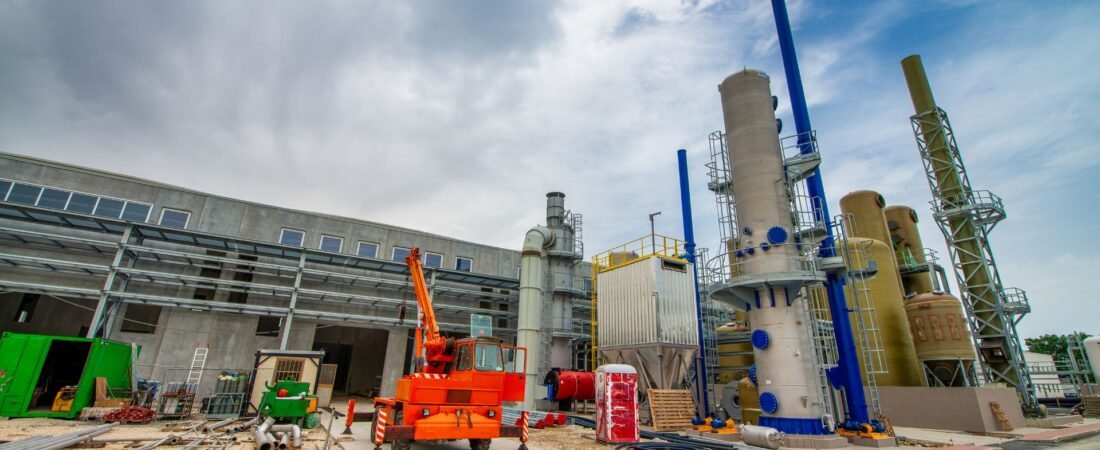
Industrial infrastructure services in Western Australia support large scale industries that operate across vast and remote regions. The state covers more than 2.6 million square kilometers and produces a major share of Australia’s mineral and energy output. Regions such as Pilbara and Goldfields-Esperance host extensive mining and processing operations that depend on reliable infrastructure systems.
Overview of Industrial Infrastructure Services
Industrial infrastructure services in Western Australia include planning, engineering, construction, and maintenance of key systems. These systems support mining, oil and gas, energy generation, and manufacturing industries. Infrastructure assets include transport networks, power systems, water facilities, and industrial plants.
Large projects often exceed AUD 500 million in value. These projects require detailed design, strict safety compliance, and long term operational planning. Infrastructure systems are designed to operate for more than 20 years with regular maintenance and upgrades.
Core Infrastructure Systems
Industrial infrastructure systems in Western Australia are built to support continuous industrial activity. Transport infrastructure plays a central role. The state operates over 5,000 kilometers of heavy haul rail networks used for mineral transport. Ports such as Port Hedland handle more than 500 million tonnes of cargo each year.
Energy systems provide power for industrial operations. The South West Interconnected System supplies electricity to major industrial zones near Perth. Remote sites rely on diesel generators, gas turbines, and hybrid renewable systems. Power generation capacity at industrial locations can range from 10 megawatts to over 200 megawatts.
Water systems are also essential. Industrial operations require water for processing, cooling, and dust suppression. In remote regions, water supply may include desalination plants and groundwater extraction systems.
Engineering and Construction Standards
Engineering and construction services form the foundation of industrial infrastructure. Industrial infrastructure services in Western Australia include civil works, structural construction, and installation of mechanical and electrical systems.
Projects are designed to meet Australian Standards and industry specifications. Construction methods often include modular systems. Pre fabricated units are assembled on site, reducing construction time and improving safety. Project durations can range from 12 months to more than 5 years depending on complexity.
Quality control is applied at every stage. Materials, equipment, and construction processes are tested to ensure performance and durability under harsh environmental conditions.
Maintenance and Asset Performance
Maintenance is essential for ensuring infrastructure reliability. Industrial infrastructure services in Western Australia include inspection, repair, and lifecycle management of assets. Maintenance programs are scheduled to reduce downtime and maintain efficiency.
Digital monitoring systems are widely used. These systems track equipment condition and performance in real time. Predictive maintenance methods help prevent failures and extend asset life. Infrastructure assets often achieve operational availability above 90 percent.
Regulatory Framework and Compliance
Industrial infrastructure projects must comply with strict regulations. Authorities such as Department of Mines, Industry Regulation and Safety enforce safety and operational standards.
Environmental approvals are required before project development. These approvals assess the impact on land, water, and air quality. Safety regulations focus on hazard identification and risk control. Compliance with national standards ensures consistent quality across all infrastructure systems.
Technology in Industrial Infrastructure
Technology is a key component of modern infrastructure systems. Industrial infrastructure services in Western Australia use automation, remote operations, and data analytics to improve efficiency.
Autonomous vehicles are used in mining operations. Remote monitoring systems allow operators to control equipment from centralized locations. Communication systems such as fiber networks and satellite links support real time data exchange.
Renewable energy integration is increasing. Solar and hybrid systems are used to reduce fuel consumption and emissions. Some operations achieve up to 40 percent reduction in diesel use through hybrid energy systems.
Challenges in Infrastructure Development
Industrial infrastructure development in Western Australia faces several challenges. Remote project locations increase transportation costs and logistics complexity. Materials and equipment may need to be transported over distances greater than 1,000 kilometers.
Environmental conditions such as high temperatures and cyclones affect construction and maintenance. Water availability is also a key factor, especially in arid regions. Skilled workforce demand remains high for engineering and technical roles.
Economic Contribution
Industrial infrastructure supports economic growth in Western Australia. The state has a gross state product exceeding AUD 400 billion. Mining and energy sectors contribute a significant share of this value.
Industrial infrastructure services in Western Australia create employment across construction, engineering, and operations. Large projects can employ more than 1,000 workers during peak construction periods. Efficient infrastructure systems improve productivity and increase export capacity.
FAQ
What are industrial infrastructure services in Western Australia
Industrial infrastructure services in Western Australia include the design, construction, maintenance, and management of systems such as transport networks, energy facilities, and industrial plants.
Which systems are included in industrial infrastructure
Key systems include rail networks, ports, power generation units, water supply systems, and processing facilities.
How long do infrastructure assets last
Most infrastructure assets are designed to operate for more than 20 years with proper maintenance and periodic upgrades.
What regulations apply to infrastructure projects
Projects must comply with safety, environmental, and operational standards set by regulatory authorities in Western Australia.
How is technology used in these services
Technology is used for automation, monitoring, and predictive maintenance. It improves efficiency and reduces operational risks.
Conclusion
Industrial infrastructure services in Western Australia are essential for supporting large scale industrial activity. These services include engineering, construction, transport systems, energy supply, and maintenance. Infrastructure systems are designed to meet strict standards and operate under challenging conditions.
Industrial infrastructure services in Western Australia continue to evolve with advanced technology and strong regulatory frameworks. These systems support economic development, improve operational efficiency, and ensure long term sustainability across key industries.